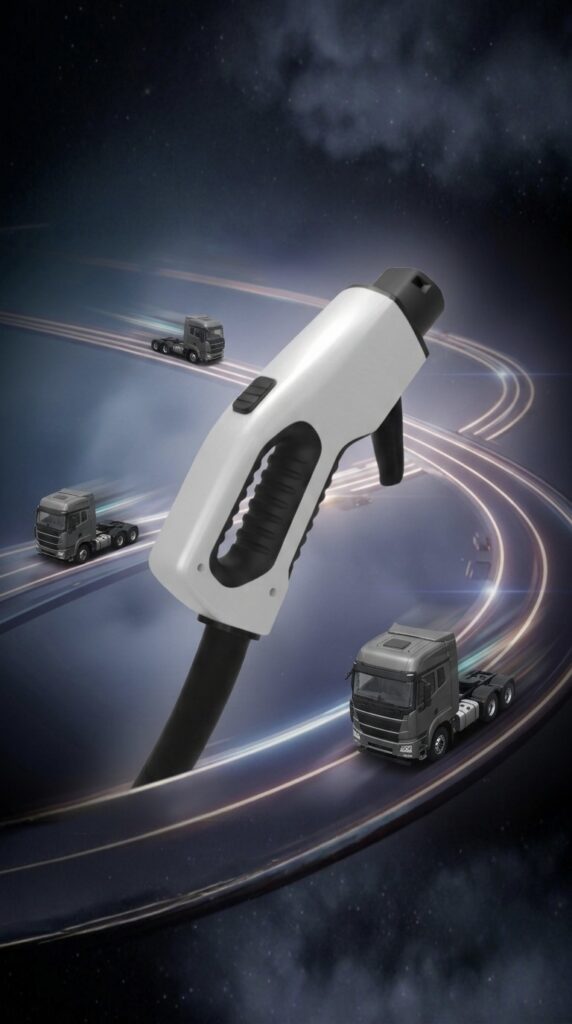
This next-generation single-gun 3000kW charger serves heavy-duty EVs in mining, ports, and aviation, turning costly downtime into revenue-generating uptime.
Under
15 MINS
per heavy-duty electric vehicle
Challenge
Standard chargers take hours to charge mega-battery vehicles. Every hour offline is capital not earning. For high-value assets, downtime is unaffordable.
Where 3000kW Meets Reality
Currently powering mining operations in Shanxi.
Deployed. Validated. Delivering.
SPACE-OPTIMISED - 16cm Thin
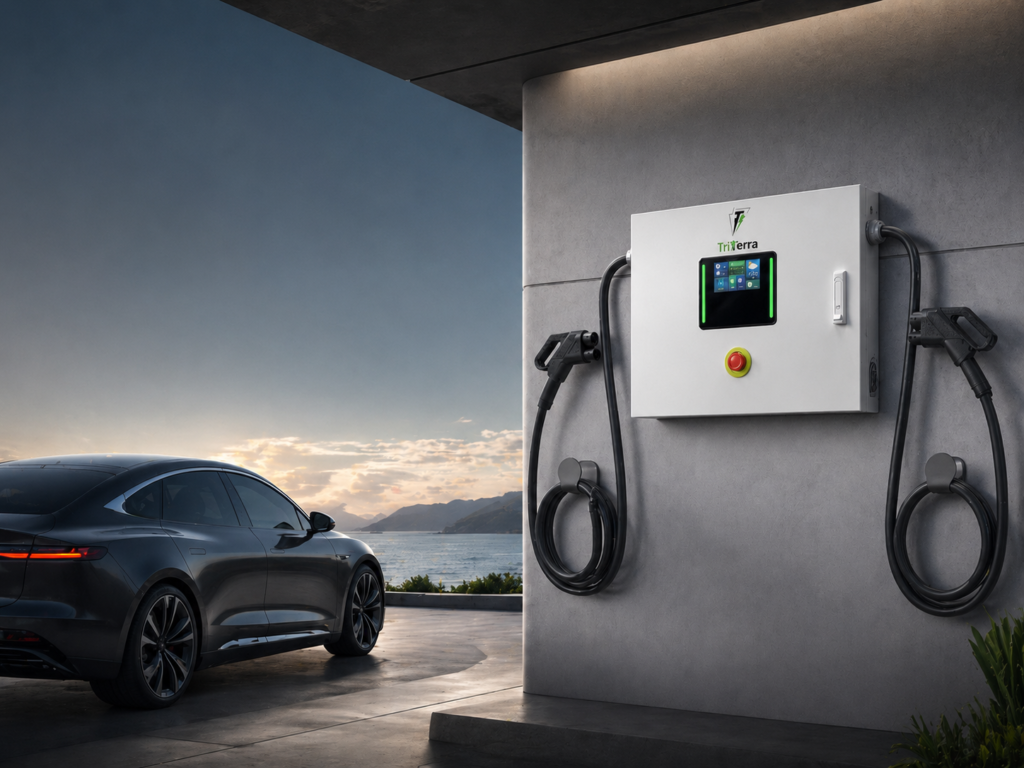
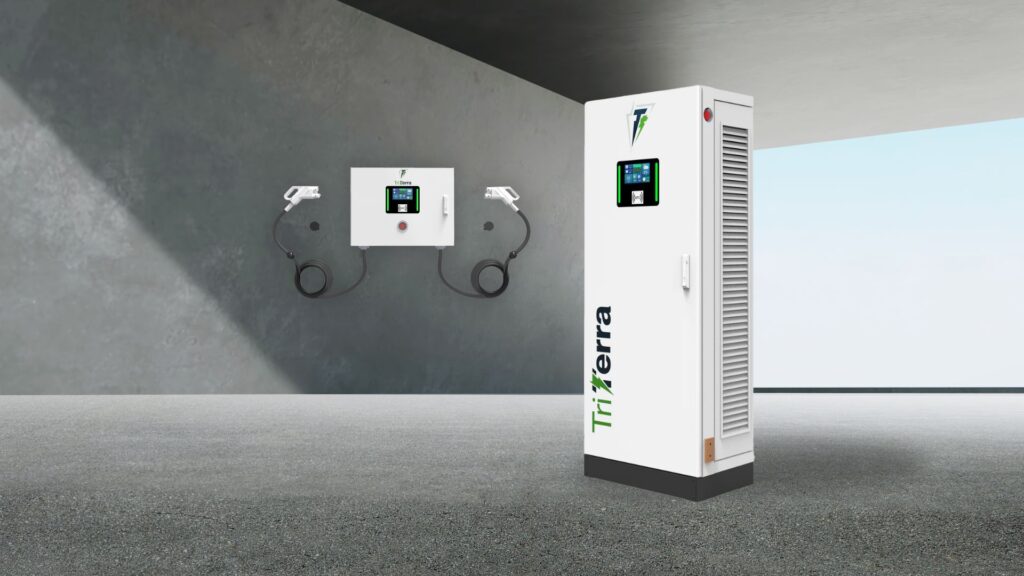
Ultra-Slim Series DC Fast EV Charger
This ultra-slim 16cm DC charger fits space-constrained locations where floor-standing units cannot. Its wall-mountable body maximises revenue per square foot. Dynamic power allocation across multiple ports ensures optimal uptime and energy utilisation, all without compromising DC fast-charging performance.
Maximise Revenue per Square Footage
Wall-mounted design frees up valuable parking space. Install where floor-standing units simply cannot fit.
Optimise Site ROI
Dynamic power allocation across multiple ports ensures maximum station uptime and energy utilisation.
HIGH POWER - 600kW to 1500kW
High-Margin Public Network Charging
The >240kW segment is growing fast, but capturing it typically means costly dual-gun infrastructure. Hardware expense and complexity eat into margin.
Single-gun design delivers full power where competitors need two.
Capture High-Growth Margins
Position ahead of the curve in the segment projected to grow from 6% to 44% of public chargers by 2030.
Lower Cost, Higher Efficiency
One gun. Full power. Reduced hardware cost. Simplified user experience. No complex dual-cable handling.
Infrastructure-Ready
Built to align with national mandates for 100,000+ new high-power chargers. Your network, future-proofed.
BEYOND CHARGING
Your 3000kW Hub As a Strategic Grid Asset
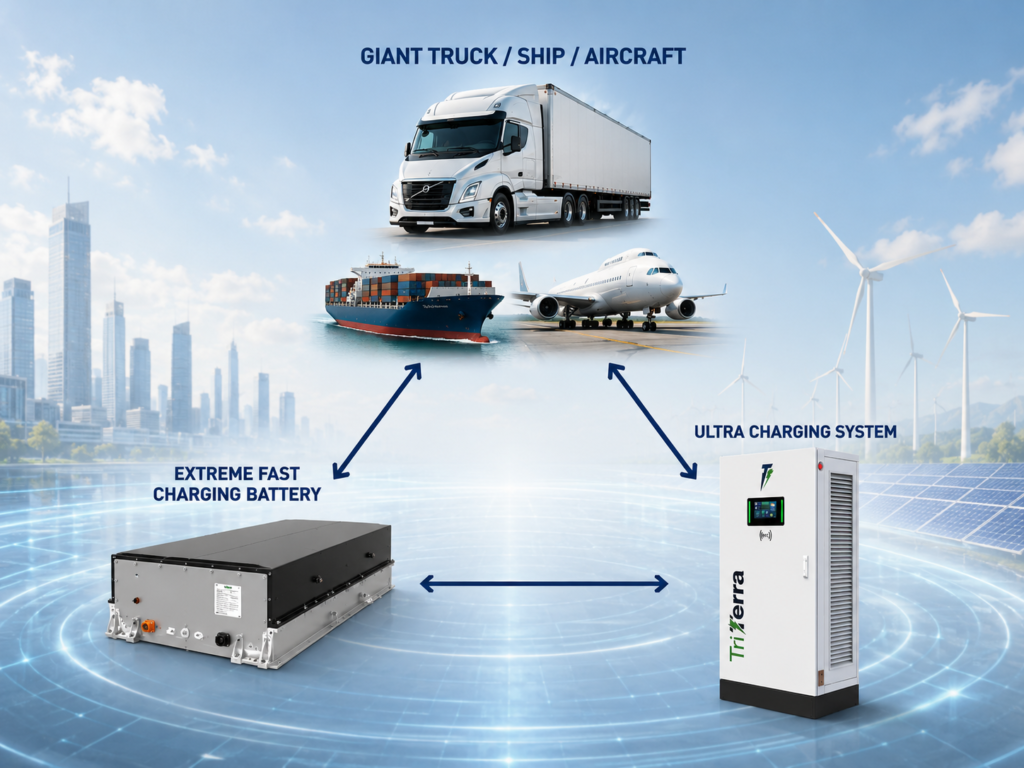
Our ultra-fast charging infrastructure is engineered for massive bi-directional power flow, connecting extreme fast charging batteries, heavy EVs, and G2V/V2G systems in one synchronised network.
Sell Energy Back at Peak
When grid demand spikes, your connected EVs become a virtual power plant.
Cut Costly Idle Time
3000kW charge speed returns your highest-value assets to revenue duty faster.
Build Operational Resilience
Support critical infrastructure like hospitals and data centres for emergency backup.
Ecosystem Partners
Vehicle OEMs
浩瀚智車
indiGO Technologies Inc.
Kaili Group(凯力集团)
Microvast
Battery Manufacturers
Greater Bay Technology(巨湾技研)
Microvast
Bi-Directional Systems
Beijing Institute of Technology | Meitaimu(北京理工大学深圳汽车研究院 | 美泰姆)
Wolong(卧龙)
From the world's fastest charger to its slimmest,
we provide the technology to build a superior, profitable, and resilient network.